
In a world flooded with fitness trends, mental health buzzwords, and social media “experts,” it’s easy to feel overwhelmed. One day you’re told to do 10,000 steps, the next day it’s cold plunges; this makes a lot of people confused because they don’t know where to start. However, This post seeks to answer five most asked fitness and mental health questions, simply and honestly.
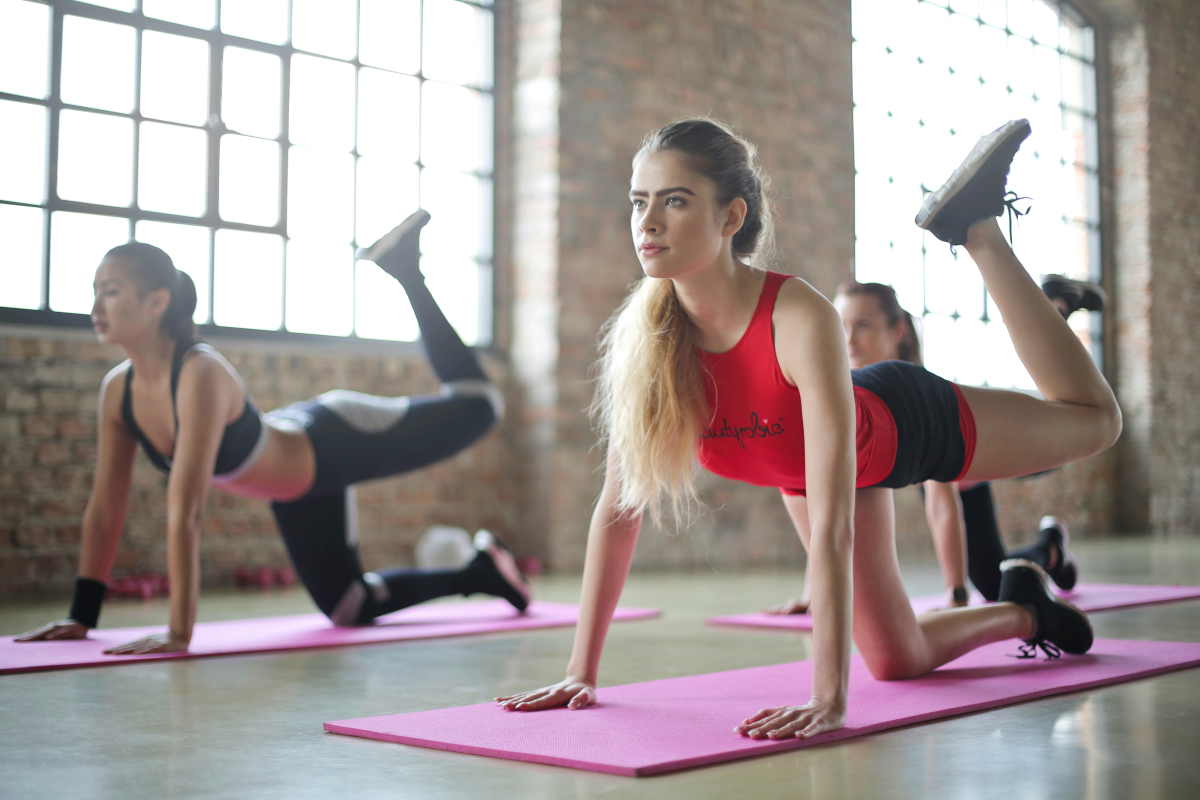
1. How to Lose Face Fat Naturally
Face fat is something many people worry about, but it’s important to understand one thing first: there’s little to no evidence to support spot reduction.
This means you can’t lose fat from only your face by doing face exercises alone. Face fat reduces when your overall body fat reduces and that happens through consistent lifestyle habits.
What Actually Helps Reduce Face Fat Naturally
1. Maintain a calorie balance (not starvation):
Extreme dieting can make your face look slimmer temporarily, but it often leads to burnout and rebound weight gain. Instead, focus on balanced meals with protein, vegetables, healthy fats, and carbs.
2. Reduce excess salt and sugar:
Too much salt causes water retention, which can make your face look puffy. Excess sugar increases inflammation and fat storage. You don’t need to cut them out completely; moderation is key.
3. Stay hydrated:
Ironically, dehydration makes your body hold on to water. Drinking enough water helps reduce bloating and facial puffiness.
4. Get enough sleep:
Lack of sleep increases your cortisol level , which in turn can lead to weight gain and facial bloating.
5. Move your body regularly:
Cardio, strength training, and daily movement help reduce overall body fat, which eventually reflects in your face.
Face yoga or facial massages can improve blood flow and muscle tone, but they won’t burn fat on their own. Think of them as a supplement, not the solution.
2. Best Workouts for Beginners at Home
If you’re a beginner, the best workout is not the hardest one — it’s the one you can stick to.
You don’t need a gym membership, fancy equipment, or a perfect routine to start. Your body doesn’t need punishment; it needs consistency.
Best Beginner-Friendly Home Workouts
1. Walking:
Walking improves heart health, burns calories, reduces stress, and is easy on the joints. A daily 20–30 minute walk is an excellent starting point.
2. Bodyweight exercises:
These build strength using your own body:
- Squats
- Wall push-ups
- Glute bridges
- Knee planks
- Standing lunges
Start with 2–3 sets of 8–12 reps.
3. Beginner cardio routines:
- Marching in place
- Step-ups
- Light dance workouts
- Low-impact HIIT
4. Stretching and mobility:
Stretching improves flexibility, reduces soreness, and prevents injury. It’s especially important if you sit a lot.
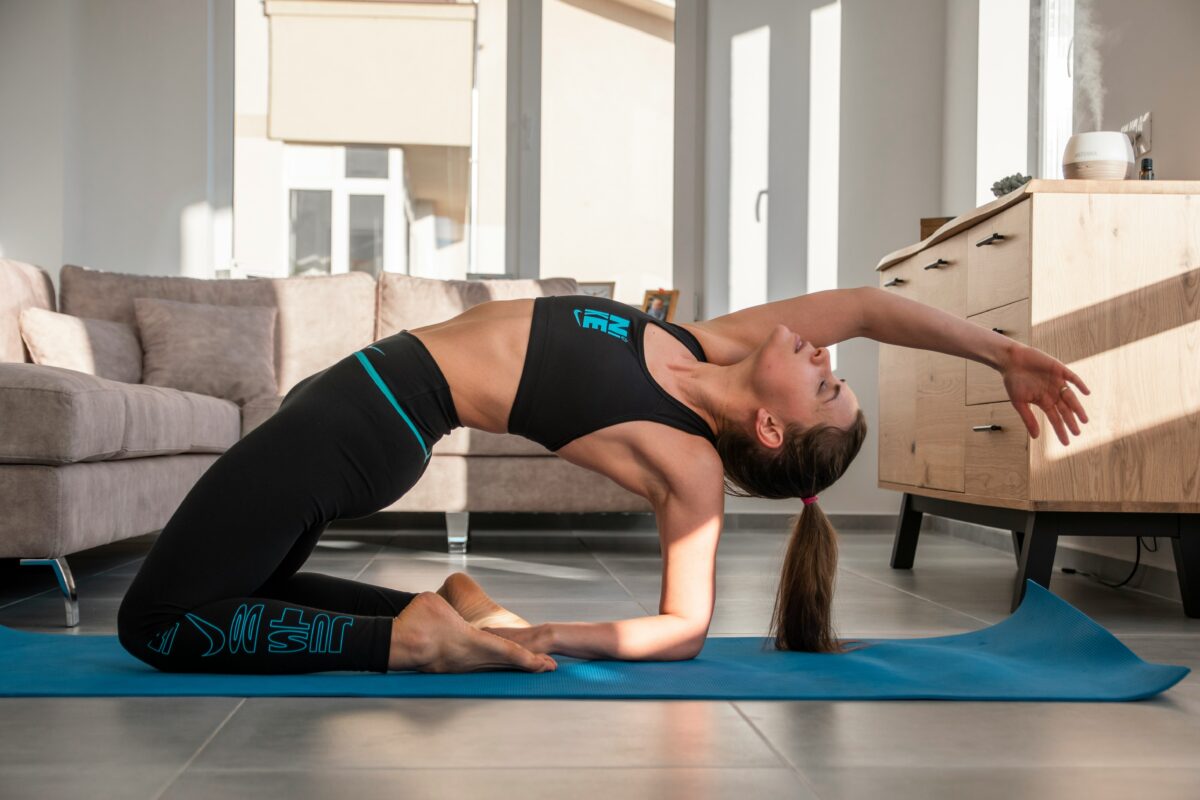
3. How to Build Healthy Habits Without Burnout
Burnout doesn’t happen because people are lazy. It happens because they try to change everything at once.
Healthy habits are built through small, repeatable actions, not sudden lifestyle overhauls.
Why Most People Burn Out
- They set unrealistic goals
- They rely on motivation instead of systems
- They copy routines that don’t fit their life
How to Build Habits That Actually Last
1. Start small; Instead of “I’ll work out every day,” try:
- 10 minutes, 3 times a week
- One healthy meal a day
- A 5-minute stretch before bed
Small habits grow. Extreme ones collapse.
2. Attach habits to existing routines- This is called habit stacking.
- Stretch after brushing your teeth
- Walk after dinner
- Journal before sleeping
3. Focus on identity, not outcomes:
Instead of “I want to lose weight,” say: “I’m becoming someone who takes care of her body.”
Identity-based habits stick longer.
4. Rest is not optional:
If you don’t schedule rest, your body will force it through exhaustion, sickness, or loss of motivation.
4. Signs You’re Mentally Exhausted and Need Rest
Mental exhaustion is sneaky. You may still be working, posting, replying messages but inside, you’re empty.
Common Signs of Mental Exhaustion
- Constant tiredness even after sleep
- Difficulty concentrating
- Irritability or emotional numbness
- Loss of motivation for things you once enjoyed
- Feeling overwhelmed by small tasks
- Headaches or body tension
- Desire to withdraw from people
What Rest Actually Looks Like
Rest isn’t just sleeping. It can be:
- Taking a break from social media
- Doing nothing without guilt
- Quiet walks
- Prayer or meditation
- Creative activities without pressure
5. Can Exercise Improve Mental Health?
Yes — significantly. However, Exercise is not a cure-all, but it is one of the most effective, natural tools for supporting mental health.
How Exercise Helps Mental Health
- Releases feel-good chemicals: Exercise increases endorphins, serotonin, and dopamine which is linked to improved mood and reduced anxiety.
- Reduces stress hormones: Regular movement lowers cortisol levels, helping your body relax.
- Improves sleep quality: Better sfidence: Keeping small promises to yourself builds self-trust, which improves self-esteem
In Conclusion:
The purpose of answering the most asked fitness and mental health questions is to help alienate confusion where it exists and provide a simple guide on personal fitness and wellness routines.Fitness and mental health are not about perfection. They’re about showing up for yourself consistently, even on days when motivation is low.

Pingback: How to Lose Face Fat: Simple and Effective Steps -